





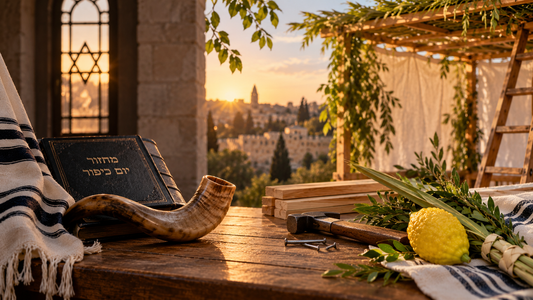
The ten days that stretch from Rosh Hashanah to Yom Kippur are known as the Aseret Yemei Teshuvah, the Ten Days of Repentance, or more simply, the Days of Awe. Jewish tradition holds that on Rosh Hashanah, a person's fate is written; on Yom Kippur, it's sealed. This period in between is the window to influence the outcome.
A period of judgment left open
The idea isn't that the verdict on Rosh Hashanah is final. It's provisional — open for revision through genuine reflection, repentance, and repair. That's what makes these ten days feel different from ordinary time: there's a sense of urgency to them, a last stretch to get things right before the gates close.
Teshuvah: repair, not just regret
The central practice of the period is teshuvah, often translated as "repentance" but more literally meaning "return." It isn't simply feeling bad about the past year. Traditionally it involves three concrete steps: acknowledging what went wrong, expressing genuine regret, and committing to act differently going forward. Where another person was wronged, tradition holds that teshuvah requires actually approaching that person and making amends — prayer alone doesn't cover harm done to others.
Selichot and daily prayer
Throughout the Days of Awe, many communities add Selichot — special penitential prayers — to their daily services, on top of the additions already made to the liturgy for the season. The tone of prayer shifts noticeably during this window, with recurring themes of judgment, mercy, and the hope for a favorable new year.
Tzedakah and extra care for others
Charitable giving, tzedakah, is traditionally increased during this period, alongside acts of kindness more broadly. The reasoning often cited is that mercy shown to others is a way of asking for mercy in turn.
Shabbat Shuvah
The Shabbat that falls during the Ten Days has its own name: Shabbat Shuvah, the "Sabbath of Return," named for the special Torah and haftarah readings about repentance read on that day. In many communities, it's also when the rabbi delivers one of the year's most significant sermons.
Leading into Yom Kippur
The Days of Awe build toward Yom Kippur itself — a full day of fasting, prayer, and confession, ending with the Ne'ilah service and the final shofar blast, the Tekiah Gedolah, as the gates are described as closing for the year.
Practically, many people use these ten days to reach out to people they've wronged, review the past year honestly, and set intentions for the one ahead — not as a single dramatic gesture, but as a steady, deliberate stretch of reflection.
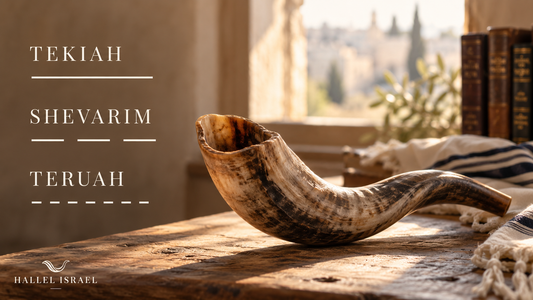
Want to understand the sounds that carry through this whole season? Read our guide to the three shofar sounds.
Tags:
Previous
The 3 Shofar Sounds Explained: Tekiah, Shevarim, and Teruah
Next
What Is Sukkot? Traditions, Symbols, and How It's Celebrated
Related articles


-
Aug 09 2026
How Many Times Is the Shofar Blown on Rosh Hashanah?
-
Jul 29 2026

