



If you've ever noticed a small case fixed to the doorframe of a Jewish home, that's a mezuzah — one of the most common and recognizable Jewish ritual objects, and also one of the most misunderstood by people encountering it for the first time.
What a mezuzah actually is
The word "mezuzah" technically refers to the parchment scroll itself, not the case around it. The scroll is hand-written by a trained scribe (a sofer) with two passages from the Torah, including the Shema — the central declaration of Jewish faith. The decorative case that holds the scroll, often what people picture when they hear the word "mezuzah," is really just a protective housing.
This is why buying a mezuzah case alone doesn't fulfill the tradition — the case needs a valid, kosher scroll inside it to have religious meaning. A case without a scroll is decorative; a case with a properly written scroll is a mezuzah in the full sense.
Where it's placed
A mezuzah is traditionally affixed to the doorframe of a home, angled with the top tilted inward toward the room, on the right side as you enter. Many observant households place a mezuzah on every doorframe in the home except bathrooms, though practices vary by community and individual observance.
How it's installed
Most mezuzah cases are designed to be mounted with small nails, screws, or adhesive, depending on the case's design and the doorframe material. The scroll goes inside first, then the case is closed and mounted at an angle, roughly in the upper third of the doorframe. Many people say a short blessing at the time of installation, though this varies by tradition and personal practice.
Do you need to check it periodically?
Traditional practice holds that a mezuzah scroll should be checked periodically by a scribe, since parchment and ink can degrade over time, particularly with exposure to moisture or sunlight. How often this is done varies quite a bit by individual and community practice.
A meaningful gift
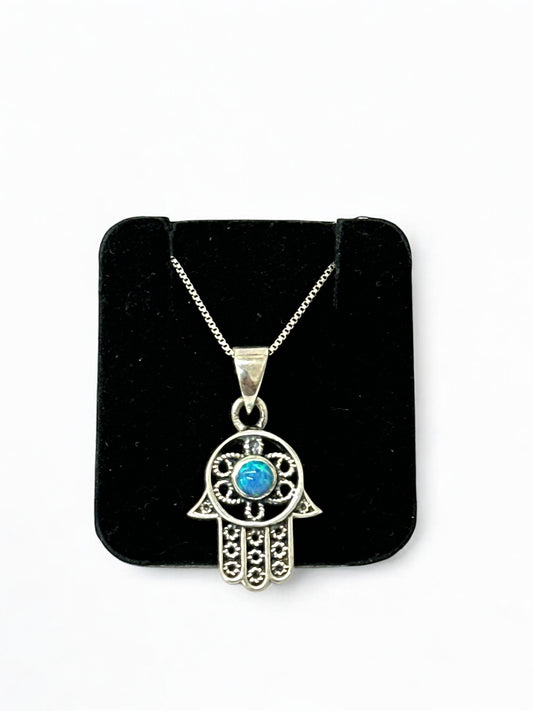
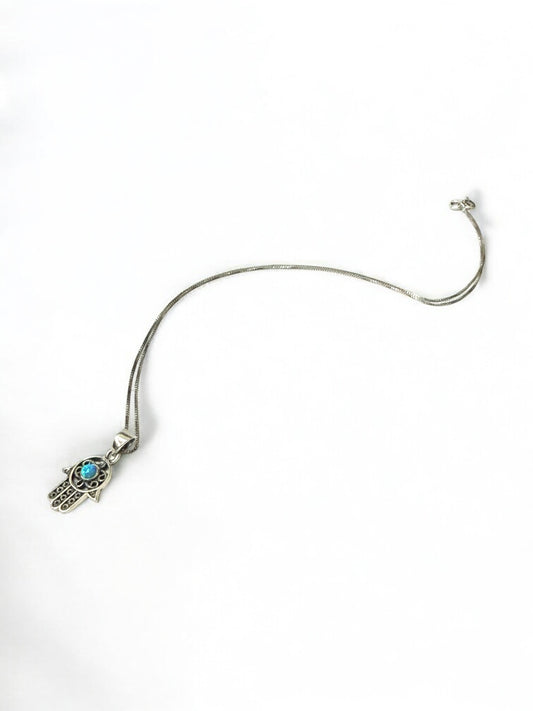
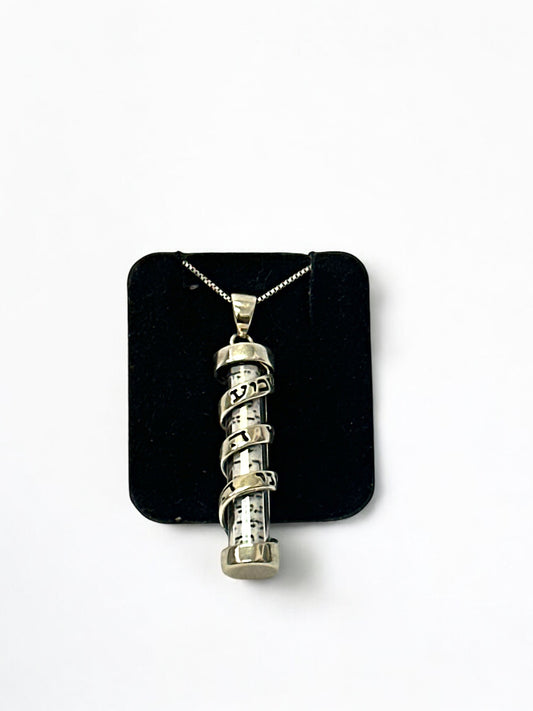
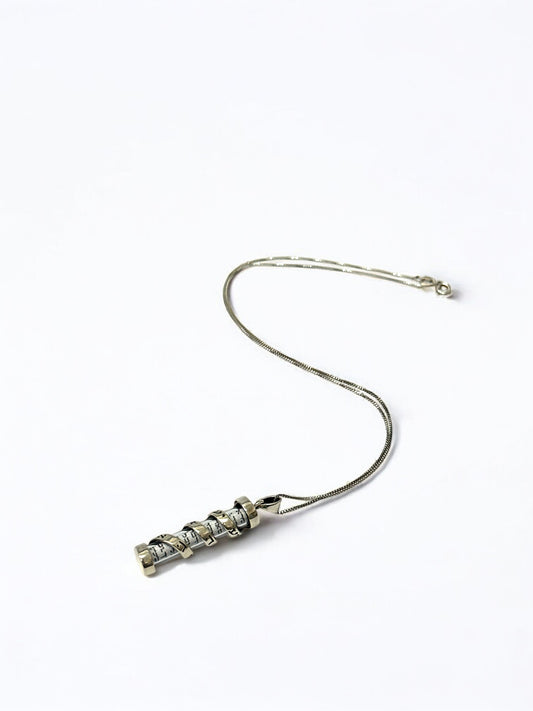
Because a mezuzah marks a home rather than a person, it's a common and meaningful gift for a housewarming, a wedding, or moving into a first apartment. A mezuzah pendant — worn rather than mounted — has also become a popular way to carry the same symbol personally, though it's a modern variation rather than a substitute for the mounted version.
Browse our mezuzah scrolls and cases, or see our full mezuzah collection.
Tags:
Related articles





-
Aug 09 2026
How Many Times Is the Shofar Blown on Rosh Hashanah?

-
Jul 29 2026

